Stay ahead on AI.
All in ONE place.
The latest AI news, expert commentary, top tools, and exclusive interviews — curated for you by Matt Wolfe.
Join 250,000+ readers from companies like
 Google
 Apple
 Microsoft
 Meta
 NVIDIA
 Anthropic
 OpenAI

 Adobe
 AMD
 Qualcomm
 Cisco
 a16z
 Sequoia Capital
AI News
The biggest AI headlines, updated throughout the day.

Google Vids adds free 15-sec AI video generation with Omni 1.2 Flash model
Google Vids now runs on Google's Omni 1.2 Flash model, enabling anyone with a free Google account or Workspace subscription to generate up to three second videos per month at no cost. New capabilities include single-take product promos, transformation of static reference images into consistent video scenes where characters and settings remain stable across frames, and improved speech narration that makes clips sound more natural and self-recorded. Users can get started at vids.new.
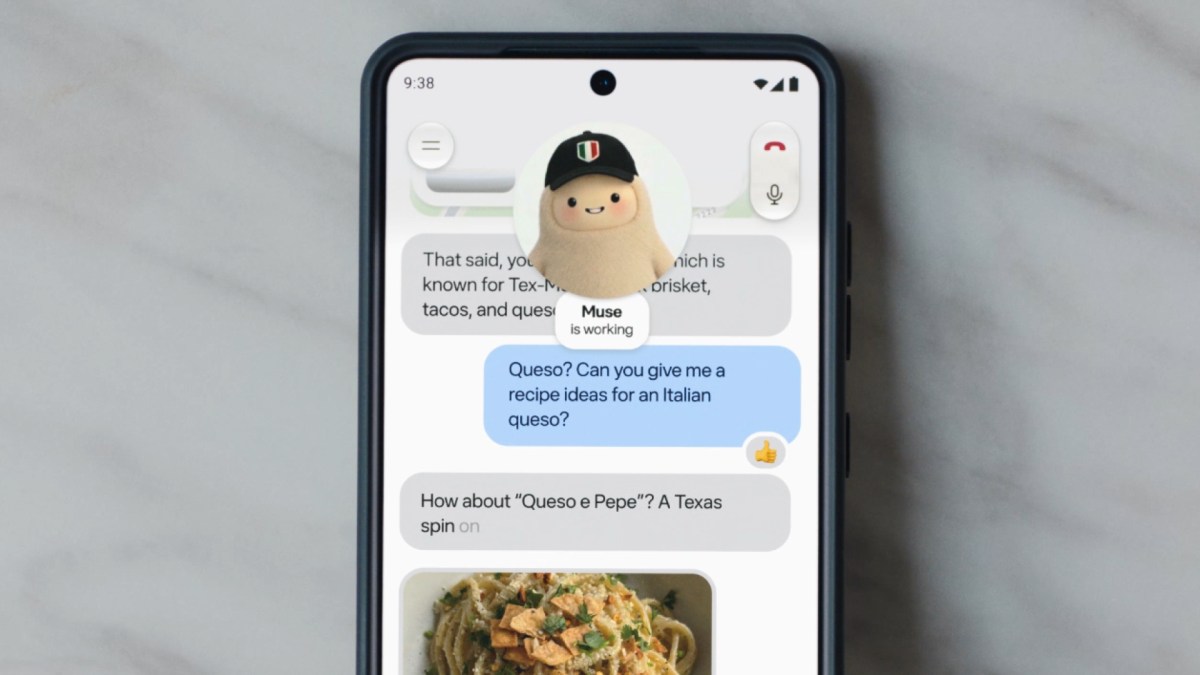
Meta Muse App Gains Real-Time Voice & Expressive Avatars for Natural AI Conversations
Meta is rolling out real-time voice and expressive avatars in its Muse app on mobile, web, and Mac, following a preview at Connect 2026. Users tap a phone icon to start talking, with the avatar displaying subtle expressions and gestures matching conversation tone. Hundreds of voice styles are available, including options like a New Yorker or pirate personality. The feature supports interruptions mid-conversation. It is launching in the US first, with voice coming soon to AI Glasses and Muse Charm.
Claude Launches Personal Finance Feature to Answer Money Questions from Connected Bank Accounts
Anthropic has launched Personal Finance in Claude, a beta feature rolling out this week for Pro, Max, and Ultra plan users in the US. It lets users securely connect bank and card accounts via Plaid to ask plain-language questions about their spending, balances, and transactions. Access is strictly read-only, so Claude cannot move or invest money. Conversations in the Personal Finance hub are not used to train models, and users can unlink accounts anytime. Claude has no ads and offers no financial products of its own.
OpenAI Launches GPT-6 Cyber: AI Model Finds Exploits, Stays Within Authorized Scope
OpenAI has launched GPT-6 Cyber, a specialized cybersecurity model designed to find and validate exploitable vulnerabilities while staying within researcher-defined boundaries. It scores 48.5% on ExploitGym, up from 32.1% for GPT-5.6 Cyber, and avoided out-of-scope exploitation in 99.93% of tests without safety prompts. The model uncovered 81 novel high-severity Firefox vulnerabilities and developed 948 Linux kernel exploits. Security teams at Cisco, Mozilla, and CodeRabbit are already using it, and OpenAI classifies it as Critical under its Preparedness Framework.

Google Gemini Omni 1.2 Flash Launches: 15-Second Videos, 30% Price Cut
Google has launched Gemini Omni 1.2 Flash, now generally available via the Gemini API and Google Cloud. The model supports native second video generation, up from 10 seconds, with multi-turn conversational editing, stronger reference adherence, and more natural multi-speaker dialogue. Pricing drops 30% to $0.07 per second for 720p video. Creators can draft at 360p or 720p and upscale to 4K. Partners including Adobe, Figma Weave, and Monks are already integrating the model into production workflows.

Runway Halves GPU Cost for Real-Time 57B Video Model, Now Runs on 4 H100s
Runway has optimized its 57B-parameter autoregressive video diffusion transformer powering Runway Characters, cutting GPU requirements from eight H100s to four per session. Key optimizations include applying RoPE and FP8 quantization once at cache write time rather than on every attention call, reducing cache upkeep from 69.7ms to 6.2ms per step. A fused GEMM and all-reduce kernel hides 54–68% of communication overhead. Together, these bring each diffusion step to 147.4ms, sustaining real-time 24fps video generation for live conversational avatars.
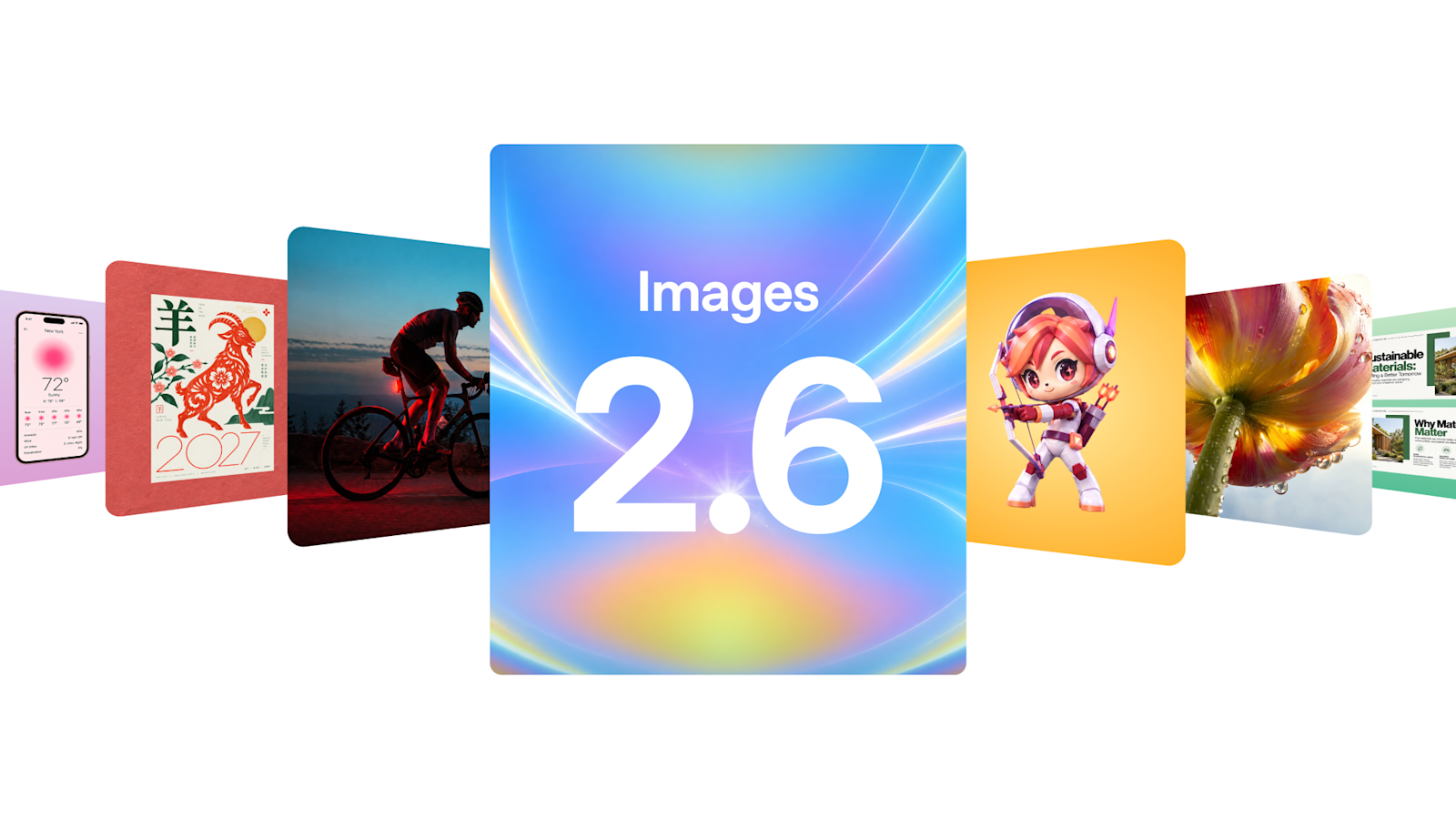
OpenAI Launches Images 2.6 With GIF Support, 50% Faster Generation, and New API Tools
OpenAI has launched Images 2.6, available globally in ChatGPT, Codex, and the API across all subscription tiers. The update delivers 50% faster image generation, with two API variants: GPT-Image-2.6 Flare, which can generate images in as little as six seconds on low quality, and GPT-Image-2.6 Sunburst for higher-fidelity output. New features include GIF animation support for brand mascots and social media content, SVG exports, image markup in the API, and a complexity parameter giving developers finer control over scene planning.

OpenAI AI Pipeline Finds and Patches 948 Linux Kernel Privilege-Escalation Bugs
OpenAI's autonomous vulnerability research pipeline identified and generated patches for 948 local privilege escalation exploits in the Linux kernel at a total API cost of $1.21 million, or roughly $1,279 per exploit. The pipeline analyzed 2,308 candidate findings, dynamically reproduced 1,724 vulnerabilities, and discovered at least 10 novel exploitation techniques. At historical Pwn2Own bounty rates, the exploits carry a hypothetical value of $18.9M–$66.3M, roughly 16x–55x the pipeline's cost. OpenAI is working with Patch the Planet partners to report and fix the vulnerabilities.
Uber Reports Only 4 AI Agent Ride Bookings During Its Busiest Week in Q3
Uber revealed on its Q3 earnings call that only four rides were booked via AI agents during its busiest week in Q3, the week of Halloween, out of roughly 320 million total trips and orders. Uber Eats saw slightly more AI-agent activity with 500 orders, but still minimal. CEO Dara Khosrowshahi noted the average ride booking takes just 50 seconds in the app, questioning AI agents' time-saving value. DoorDash similarly reported only a few hundred AI-agent orders so far.
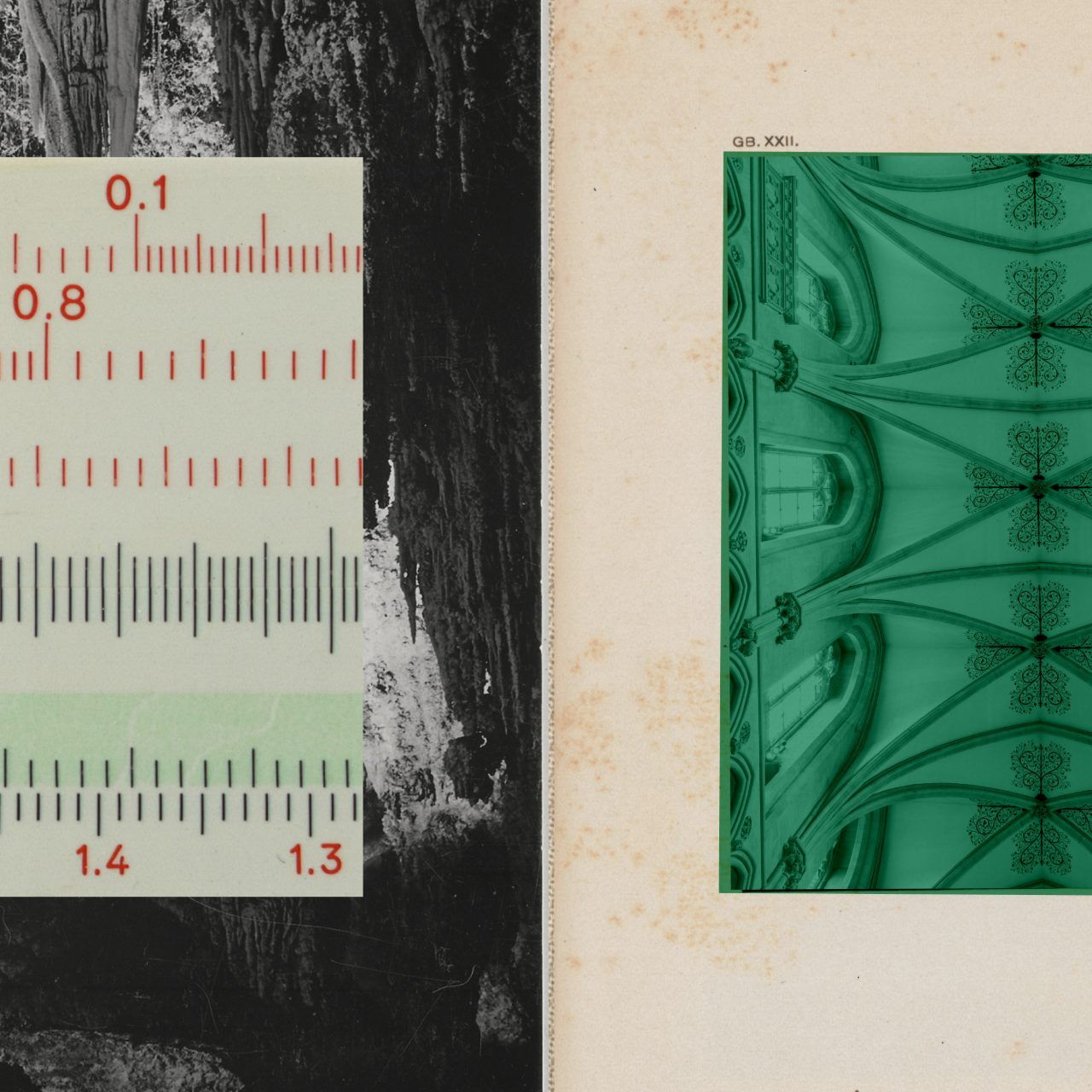
Anthropic's Claude Maps First 3D Prokaryotic Vault Particle Structure in Biology Breakthrough
Anthropic's biology research lab has mapped the first 3D structure of a vault particle found in prokaryotic cells, using Claude at every research step. Vault particles are large, hollow protein shells discovered in 1986 whose function remains unknown. Claude searched protein databases, designed DNA constructs, optimized isolation methods, and processed cryo-EM microscopy data. The resulting prokaryotic vault, built from 96 copies of a single phage protein, reduced purification time from three days to 90 minutes, with a structural model ready 34 hours later instead of weeks.
AI News with Matt
The latest breakdowns from the YouTube channel.



Commentary & Analysis
View all articles
What We Should Keep Human
By Matt Wolfe · Aug 11, 2026

Why Everyone Should Have a Local AI Model (Even If You Love ChatGPT)
By Roya Lotfi · Jul 7, 2026

AI Agents, 6G, and the Future of Computing
By Matt Wolfe & Cristiano Amon, CEO of Qualcomm · Jul 1, 2026

Agents, Humanist Superintelligence, and Healthcare
By Matt Wolfe & Mustafa Suleyman, CEO of Microsoft AI · Jun 2, 2026
Free subscriber bonus
Get the AI Income Database, free when you join
38+ real ways people are making side-hustle money with AI right now. Each one comes with the playbook and the exact tools to pull it off. No fluff and no course to buy. It's the bonus every new subscriber gets on day one.
- 38+ proven AI side-hustles, from first dollar to scale
- The exact tools for each one, picked from the 4,500+ we track
- Updated as new opportunities appear (subscribers hear first)
Joins the twice-weekly AI briefing read by 250,000+ people. Free forever, unsubscribe anytime.